

This is what a cognitive scientist looks like
/ Pooja K. AgarwalBy Pooja K. Agarwal, Ph.D.
Updated May 17, 2022
Want to know about the science of learning? Ask a scientist. Here's a list of 40 cognitive scientists you need to know. They publish the newest research on retrieval practice, actively engage in science communication with educators, and demonstrate diversity beyond the traditional ivory tower.
In our list of cognitive scientists, we've provided social media handles, Google Scholar profiles, recommended research publications, areas of expertise, and more. Follow them, cite them, interview them, and reach out to them.
Each cognitive scientist has rigorous scientific training and multiple publications in peer-reviewed academic journals, with an unparalleled understanding of experimental design, statistics, and retrieval practice. Search our list by area of expertise: STEM learning, study strategies, social-emotional learning, metacognition, myth busting, and more. (Scroll down or click here for our previous profiles of cognitive scientists.)
Are you sharing the science of learning in your classroom, organization, blog, podcast, or social media? If you want to unleash the science of learning, get to know these cognitive scientists ASAP.
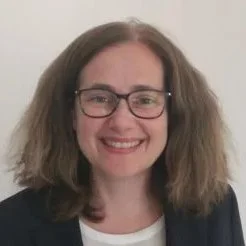
Dr. Abel is a Post-Doctoral Fellow at the University of Regensburg near Munich, Germany.
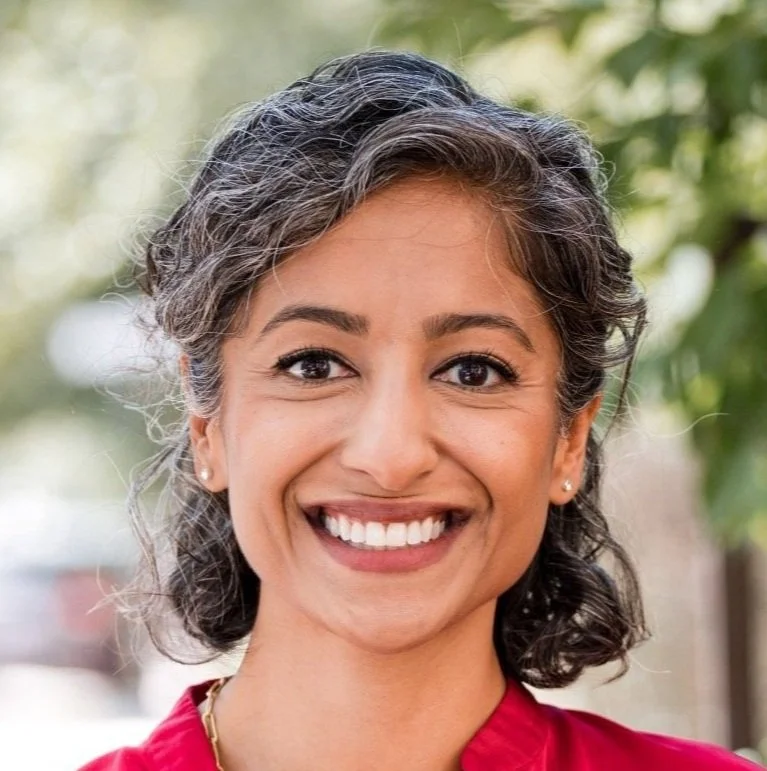
Dr. Agarwal is an Associate Professor at the Berklee College of Music in Boston, Massachusetts.


Dr. Ekuni is an Adjunct Professor at Universidade Estadual de Londrina in Paraná, Brazil

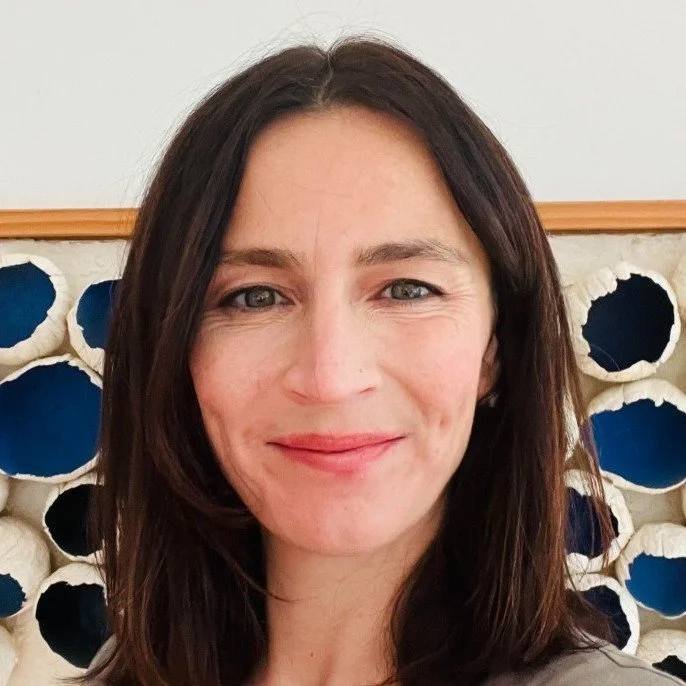
Dr. Finn is the Director of Behavioral Science at Fidelity Investments in New York City, New York.


Dr. Kaminske is the Senior Director for Student Academic Achievement and Success at Indiana University School of Medicine in Indianapolis, Indiana.


Dr. Kim is the Chair of Psychology at the University of Guelph-Humber in Toronto, Ontario, Canada.

Dr. Koenka is an Assistant Professor at the University of Oklahoma, near Oklahoma City, Oklahoma.

Dr. Kuepper-Tetzel is an Associate Professor at the University of Glasgow in Glasgow, Scotland.
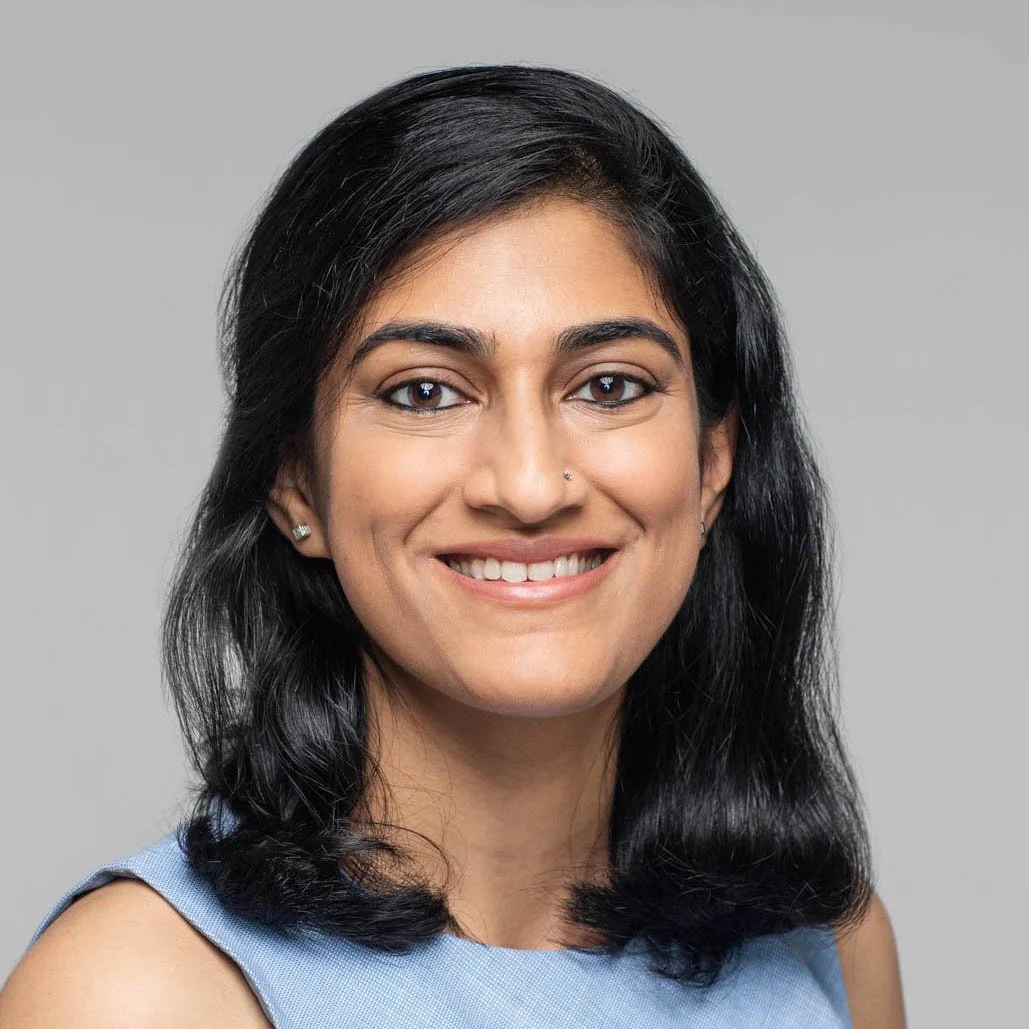
Dr. Kurpad is an Assistant Professor at St. Mary's College in St. Mary's City, Maryland.

Dr. Little is an Assistant Professor at California State University, East Bay, near Oakland, California.


Dr. McCabe is a Professor and Chair of the Psychology Department at Goucher College in Baltimore, Maryland.
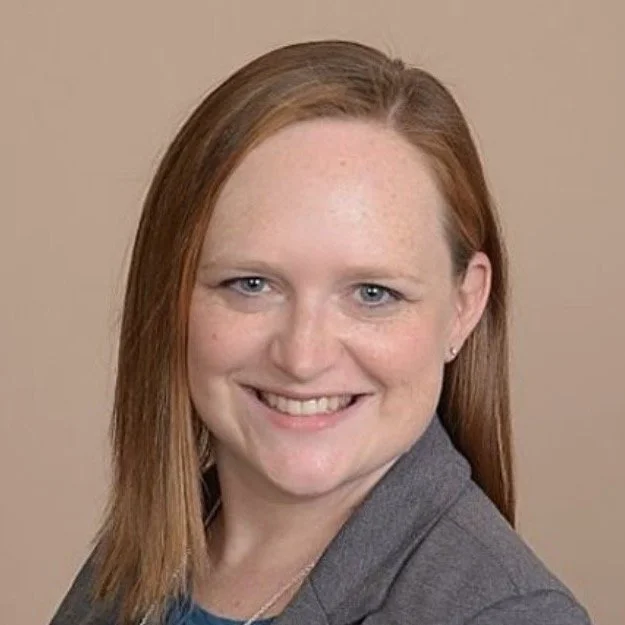
Dr. Nebel is Director of Learning Services at St. Louis University School of Medicine in St. Louis, Missouri.
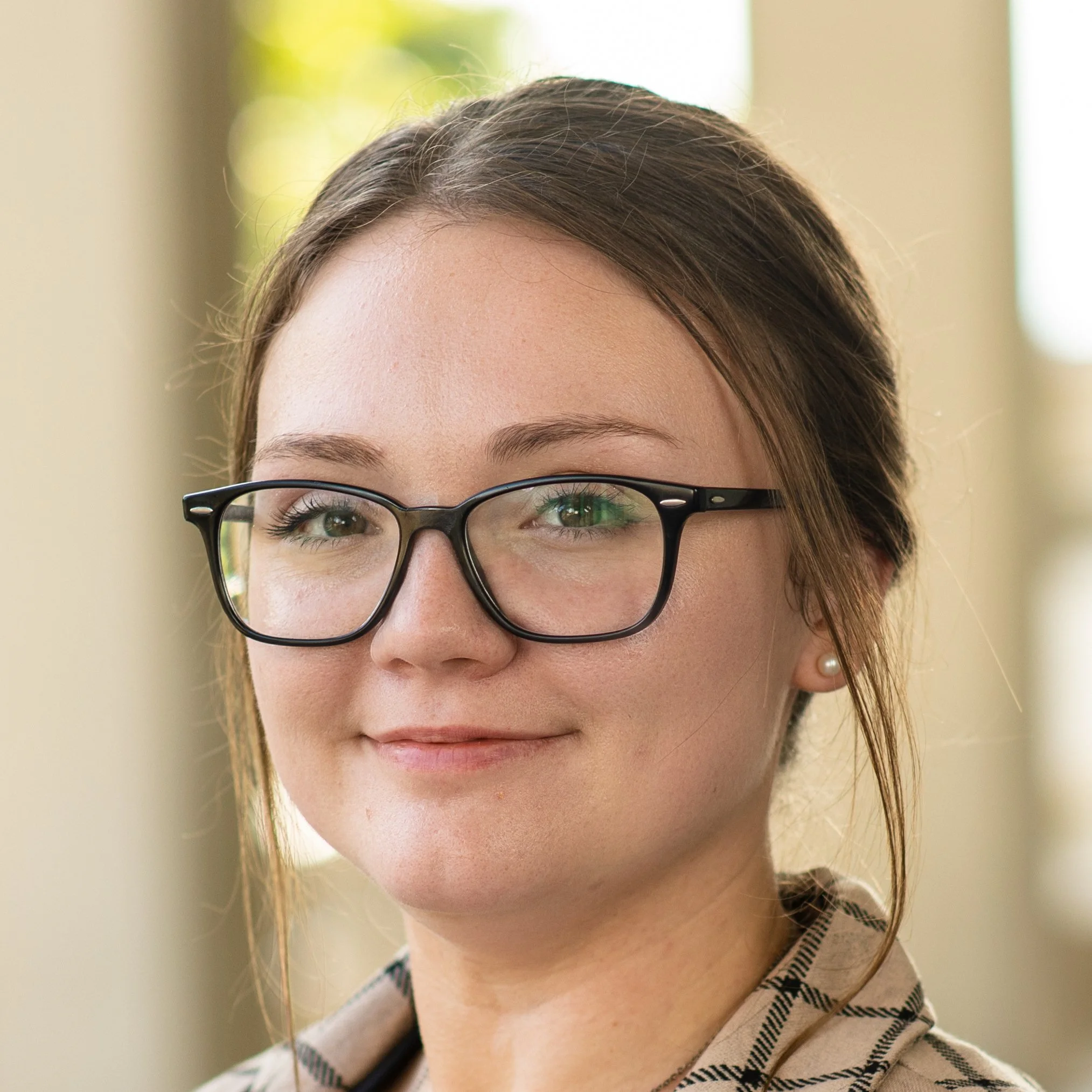
Dr. Northern is an Assistant Professor at Southeast Missouri State University, near St. Louis, Missouri.

Dr. Nunes is the Senior Director for Scientific Knowledge and Expertise at the American Psychological Association (APA) in Washington, D.C.

Dr. Richland is a Professor and Associate Dean at the University of California, Irvine in Irvine, California.

Dr. Rivers is an Assistant Professor at Santa Clara University near San Jose, California.
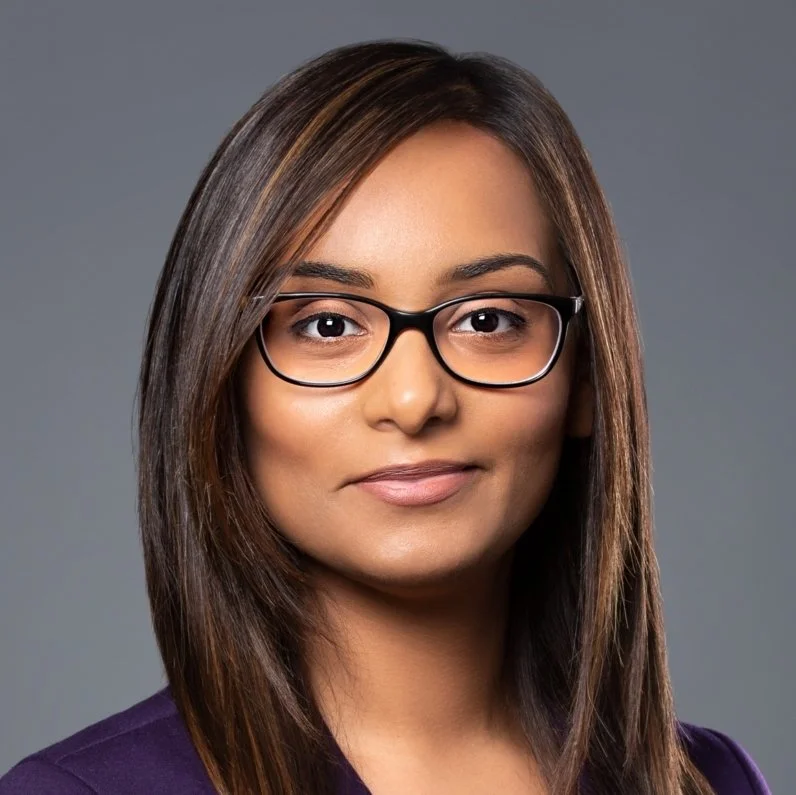
Dr. Sana is an Associate Professor at Athabasca University, near Edmonton, Alberta, Canada.

Dr. Smith is Chief Science Officer at Blank Slate Technologies in New Haven, Connecticut.


Dr. Sumeracki is an Associate Professor at Rhode Island College in Providence, Rhode Island.


Dr. Tauber is an Associate Professor at Texas Christian University in Fort Worth, Texas.
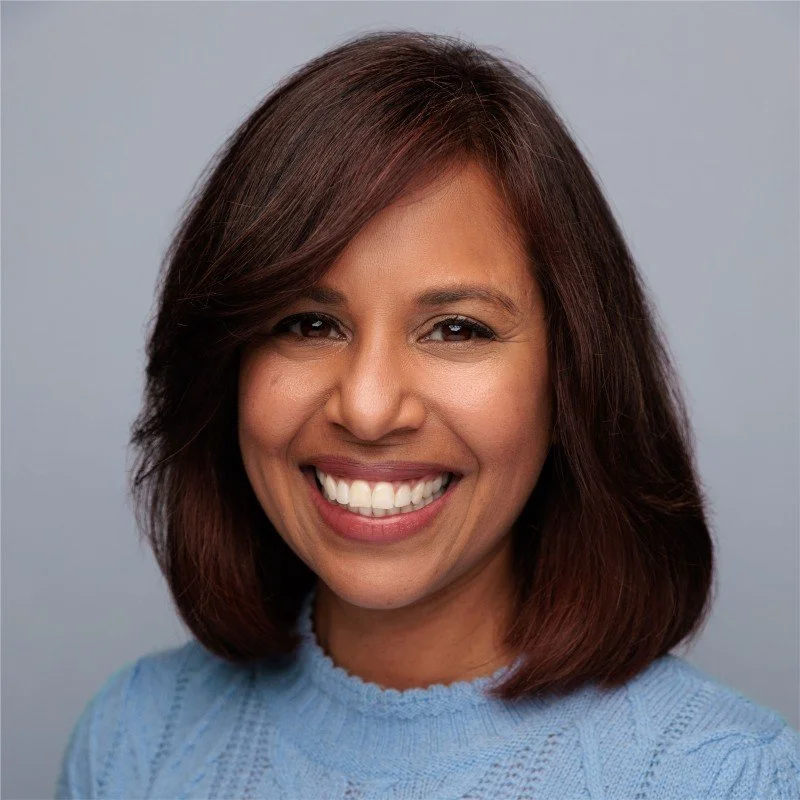
Dr. Thomas is a Professor and the Dean of Research at Tufts University in Boston, Massachusetts.
Dr. Thomas is an Associate Director of Teaching & Learning at MIT in Boston, Massachusetts.


Dr. Yan is an Associate Professor at The University of Texas at Austin, in Austin, Texas.



What is the optimal timing for retrieval practice? The answer—from the world’s expert on spaced retrieval practice, Dr. Shana Carpenter—may surprise you. Learn about spacing (aka spaced repetition), Dr. Carpenter’s research, and how to incorporate spacing in your teaching.

Ready to strengthen your students' long-term learning? Gain practical tips from cognitive scientists who are also teachers! Join us for an interactive workshop with five renowned learning experts sharing innovative teaching strategies they use in their own classrooms.

Get tips from cognitive scientist Dr. Veronica Yan, the world’s leading expert on interleaving. Boost student learning by mixing up concepts: problem sets, vocabulary words, different types of storytelling structures, etc. It’s a small adjustment that makes a big difference.
Read about these simple, bite-sized strategies from Dr. Michelle Rivers to use what you’re already doing in the classroom and boost student learning even more. Dr. Rivers’s strategies take little or no prep, no extra grading, and very little time to implement, including questions du jour and name tents.

There are two red flags I always watch out for at conferences, and you should, too: Outdated citations and neuromyths. Replace cringeworthy citations with my list of recent research and get tips on how to spot neuromyths from cognitive scientist Dr. Roberta Ekuni.

Read my new book, Smart Teaching Stronger Learning. Whether you teach K–12 students or graduate students, or you’re new to teaching or a long-time educator: If you want to improve student learning, this book is for you.
Download and share our list of recommended citations on the science of learning. Increase citation rates for diverse scientists, update your citations with the newest research on retrieval practice, and demonstrate your commitment to equity and inclusion in STEM fields.

Here's a list of 40 cognitive scientists you need to know. They publish the newest research on retrieval practice, actively engage in science communication with educators on Twitter, and demonstrate diversity beyond the traditional ivory tower. Follow them, cite them, interview them, and reach out to them.

Learn about the research and initiatives by women in cognitive science. We aim to raise awareness of our diverse field. In other words, this is what a cognitive scientist looks like.
For our readers, Roediger and Karpicke are (or soon will be) household names – they are leaders in research on retrieval practice and they have published many of the highest cited articles on how humans learn and remember information. Learn more about who they are, the boom of interest in retrieval practice in the past 10 years (due, in large part, to them), and how to access their valuable research.

We talk the talk. But can we walk the walk? As cognitive scientists, we love talking about our research. Particularly when it comes to learning, which is so integral to everything we do everyday. Cognitive science research is great. But how do researchers teach? This week, read articles from three cognitive scientists about how they teach using retrieval practice, spacing, and metacognition in their own classrooms.

When we talk about retrieval practice, here's one question that frequently pops up: Does retrieval practice with multiple-choice questions boost learning? Here's the quick answer, based on cognitive science research: Yes! Read on for research, recommendations, and this week's multiple-choice retrieval practice.

So far, we've focused on retrieval practice – improving learning by bringing information to mind. But when and how often? Is more retrieval practice better than less? This week, we feature research on successive relearning. In a nutshell, successful relearning is a combination of engaging in retrieval practice multiple times, while also spacing those retrievals out over time.

Take 4 seconds to download 4 free PDFs on the science of learning, written by cognitive scientists, including guides from the Institute of Education Sciences (IES) and the American Psychological Association (APA).

Learn about an essential conference for cognitive scientists: Psychonomics, an annual meeting organized by the Psychonomic Society. Typically focused on basic research, there's more and more cutting-edge research related to education at Psychonomics these days.

Hot off the press, here's a "research roundup" of new peer-reviewed publications by experts in cognitive science. This research is so fresh, only abstracts are available for now.




If your students use concept mapping strategies, there might be something missing. Based on research by educator and scientist Dr. Kripa Sundar, the key to an effective concept map isn’t the node, but the links.